


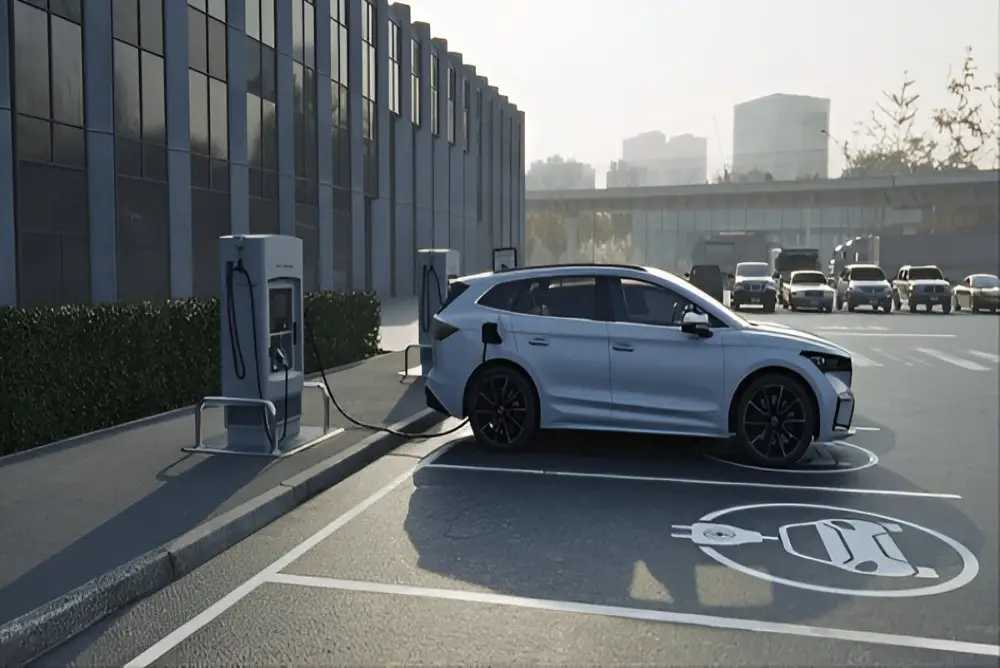
Electric vehicles (EVs) are often considered a cleaner, more sustainable alternative to traditional gasoline-powered cars. As they become more popular, it’s important to understand their positive and negative environmental impacts. Here, we’ll discuss how EVs influence the environment, from reducing emissions to challenges in battery production.
The Growing Role of EVs in Sustainable Transportation
As concerns about climate change, air pollution, and the depletion of fossil fuels continue to rise, EVs are seen as a potential game changer in transportation. The impact of electric vehicles on the environment is widely recognized, particularly in reducing air pollution and greenhouse gas emissions. While they are not a perfect solution, their growing popularity is a promising step toward reducing environmental harm.
The development of electric vehicles represents a shift toward cleaner technologies and a move away from fossil fuel dependence. However, the impact of electric vehicles can vary depending on factors like the source of electricity used and the methods used in manufacturing their components.
Electric Vehicle Facts and Positive Impacts
Reduced Greenhouse Gas Emissions
One key benefit of EVs is that they produce no tailpipe emissions. Unlike gasoline cars, which release harmful gases such as carbon dioxide (CO2) and nitrogen oxides (NOx), EVs do not pollute the air directly while driving. Reducing emissions improves air quality, especially in urban areas, where air pollution is a major concern. The impact of electric vehicles on the environment is evident in cities with high pollution levels.
Energy Efficiency
EVs are more efficient than traditional vehicles. Electric motors convert about 87% to 91% of the electrical energy from their batteries into motion. In comparison, gasoline engines typically only manage about 16% to 25% of energy efficiency. This makes EVs more efficient for energy use, reducing overall energy consumption and lowering their environmental impact.
Less Dependence on Petroleum
By using electricity as a fuel source, EVs decrease our reliance on fossil fuels like gasoline and diesel. This shift helps reduce the demand for petroleum and contributes to a more sustainable energy future. This change also minimizes the environmental damage caused by petroleum extraction and transportation.
Lower Noise Pollution
Electric motors are quieter than internal combustion engines. This results in less noise pollution, which benefits both people and wildlife. Cities become quieter and more peaceful, improving the quality of life for residents and reducing disturbances to animals. The impact of electric vehicles on the environment extends beyond air quality, affecting the soundscape of urban areas as well.
Negative Impacts
Battery Production Emissions
While EVs are cleaner when it comes to operation, the production of lithium-ion batteries used to power these vehicles an creates significant environmental impacts. Mining for materials like lithium, cobalt, and nickel, and the manufacturing process, often involve high energy use, resulting in higher greenhouse gas emissions compared to traditional vehicles. This process is one of the key negative aspects of the impact of electric vehicles on the environment.
Tire and Road Dust Pollution
EVs tend to be heavier than conventional cars due to their large batteries. This increased weight can lead to more tire wear, and as a result, more tire and road dust pollution. These particles can contribute to air pollution and have negative effects on health. The heavier weight of EVs makes this issue more pronounced, highlighting a downside to their environmental impact.
Electricity Generation Emissions
The environmental benefits of EVs also depend on how the electricity used to charge them is produced. If the electricity comes from coal or natural gas, the reduction in emissions may not be as significant. On the other hand, electricity generated from renewable sources like wind or solar power greatly reduces the impact of electric vehicles on the environment. The impact of electric vehicles on the environment can be far greater if clean energy sources are used to power them.
Conclusion
In conclusion, electric vehicles offer many environmental benefits, such as reducing greenhouse gas emissions, improving energy efficiency, and lessening dependence on petroleum. However, there are still challenges to overcome, particularly in battery production and the environmental impact of electricity generation. As renewable energy becomes more widespread and battery technologies improve, the overall environmental impact of electric vehicles will continue to decrease, helping to move us toward a more sustainable future.
